By Francisco Mastromarino, Founder, Quick.bot · May 28, 2026
Key Metrics in Conversational Automation (and How to Measure Them)
Conversational automation can improve customer support, lead generation, sales, and overall user experience, but success is difficult to measure without the right data.
Many businesses launch chatbots and automated conversations expecting better results, yet struggle to understand what is actually working and what needs improvement. This is where conversational automation metrics become essential.
By tracking the right metrics, businesses can identify bottlenecks, reduce drop-offs, improve engagement, and optimize conversations for better outcomes. From response rates and completion rates to conversions and customer satisfaction, each metric provides valuable insights into performance.
In this guide, you’ll learn the most important conversational automation metrics, how to measure them accurately, and how to use the data to improve the effectiveness of your automation strategy.
What are conversational automation metrics?
Conversational automation metrics are measurable data points that help evaluate the performance and effectiveness of automated conversations across chatbots, messaging platforms, and AI assistants.
These metrics show how users interact with your conversational flows, how well the automation achieves its goals, and where improvements are needed.
For example, metrics can reveal how many users start a conversation, how many complete a flow, how many convert into leads or customers, and where users drop off. Without these insights, it becomes difficult to understand if your conversational automation is delivering real business value.
By monitoring the right metrics, businesses can make data-driven decisions, optimize user experiences, and continuously improve engagement, conversions, and overall performance.
Why tracking metrics is important
Tracking conversational automation metrics is essential because it helps you understand how users interact with your chatbot or automated workflows and whether those interactions are producing meaningful results.
Without data, it is impossible to know which parts of a conversation are working, where users are dropping off, or what changes could improve performance. Metrics provide visibility into engagement, conversions, lead quality, customer satisfaction, and overall efficiency.
They also help businesses identify bottlenecks, uncover optimization opportunities, and make informed decisions based on real user behavior instead of assumptions.
Most importantly, tracking metrics allows you to measure the return on your conversational automation efforts and continuously improve outcomes over time.
The most important conversational automation metrics
The most useful and important metrics you should track are:
- Conversation volume
- User engagement rate
- Response rate
- Conversation completion rate
- Goal completion rate
- Conversion rate
- Lead capture rate
- Human hand-off rate
- Drop-off rate
- Resolution rate
- Average response time
- Customer satisfaction score (CSAT)
Let’s take a closer look at each option.
Conversation volume
What it measures. Conversation volume measures the total number of conversations initiated with your chatbot or conversational automation system during a specific period. This includes all user interactions across channels such as websites, WhatsApp, Messenger, and other messaging platforms. It is often one of the first metrics businesses track because it provides a high-level view of how frequently users are engaging with the automation.
How to calculate it. The calculation is straightforward:
Conversation Volume = Total Number of Conversations Started
For example, if 2,500 users initiate conversations with your chatbot during a month, your conversation volume for that period is 2,500.
Why it matters. Conversation volume helps businesses understand overall adoption and usage of their conversational automation. A growing volume often indicates increased visibility, user interest, or successful marketing efforts.
However, high conversation volume alone does not guarantee success. A chatbot may attract many users but still perform poorly if engagement, completion rates, or conversions remain low. This metric should always be analyzed alongside other performance indicators.
How to improve it. Increasing conversation volume starts with making your chatbot more accessible and visible to users. Place chat widgets prominently on high-traffic pages, promote messaging channels such as WhatsApp, and use clear calls to action that encourage interaction.
You can also drive more conversations through marketing campaigns, personalized outreach, and proactive messaging. The goal is not simply to generate more conversations, but to attract relevant users who are likely to engage and move through the conversational journey.
User engagement rate
What it measures. User engagement rate measures how actively users interact with your conversational automation after initiating a conversation. It helps determine whether users are genuinely engaging with the chatbot or leaving shortly after the first message. A high engagement rate usually indicates that the conversation is relevant, easy to follow, and aligned with user intent.
How to calculate it. You can calculate user engagement rate using the following formula:
User Engagement Rate = (Engaged Users ÷ Total Users) × 100
For example, if 1,000 users start a conversation and 700 continue interacting beyond the initial message, the engagement rate is 70%.
Why it matters. A chatbot may generate a large number of conversations, but that does not mean users find it useful. Engagement rate reveals how successful the chatbot is at capturing attention and encouraging continued interaction.
Low engagement often signals issues such as weak welcome messages, irrelevant responses, poor flow design, or mismatched user expectations. Monitoring this metric helps identify early-stage problems before they impact conversions and business outcomes.
How to improve it. Improving engagement starts with creating a strong first impression. Use clear welcome messages, guide users toward specific actions, and provide quick replies or buttons that reduce effort.
Personalizing conversations based on user intent and keeping messages concise can also increase engagement. Regularly reviewing conversation data and identifying where users lose interest will help optimize flows and keep more users actively participating in the conversation.
Response rate
What it measures. Response rate measures the percentage of users who respond to a chatbot message or continue interacting after receiving a prompt. It indicates how effectively your conversational automation keeps users engaged throughout the conversation. A high response rate usually means users find the messages relevant, clear, and worth responding to.
How to calculate it. You can calculate response rate using the following formula:
Response Rate = (Number of User Responses ÷ Number of Messages Sent) × 100
For example, if your chatbot sends 1,000 messages that require a response and users reply to 750 of them, your response rate is 75%.
Why it matters. Response rate helps identify how well individual messages and conversation steps perform. If users frequently stop responding after certain prompts, it may indicate confusing wording, poor timing, irrelevant questions, or excessive friction in the flow.
A declining response rate often signals engagement problems that can eventually affect completion rates and conversions. By monitoring this metric, businesses can identify weak points within conversations and improve user experience.
How to improve it. To increase response rates, keep messages short, clear, and action-oriented. Use quick replies and buttons whenever possible to reduce typing effort. Ask relevant questions that align with user intent and avoid overwhelming users with too much information at once.
Personalization, better timing, and stronger conversation design can also encourage users to continue interacting throughout the flow. The easier it is for users to respond, the higher your response rate is likely to be.
Conversation completion rate
What it measures. Conversation completion rate measures the percentage of users who successfully reach the end of a conversational flow after starting it. This metric helps determine how effectively your chatbot guides users through the intended journey without causing them to abandon the conversation midway. A high completion rate typically indicates that the flow is clear, relevant, and easy to follow.
How to calculate it. You can calculate conversation completion rate using the following formula:
Conversation Completion Rate = (Completed Conversations ÷ Started Conversations) × 100
For example, if 1,000 users start a chatbot flow and 650 successfully reach the final step, the conversation completion rate is 65%.
Why it matters. A high completion rate indicates that users remain engaged throughout the conversation and reach the intended endpoint.
Low completion rates often reveal problems such as lengthy flows, confusing questions, poor user experience, or mismatched expectations. Since users typically must complete a flow before converting, this metric is an important indicator of overall chatbot effectiveness.
How to improve it. Improving completion rates starts with reducing friction throughout the conversation. Keep flows as short as possible, ask only essential questions, and provide clear guidance at every step.
Using quick replies, buttons, and personalized conversation paths can also help users move through the flow more easily. Regularly analyze drop-off points to identify where users leave the conversation and optimize those stages to improve overall completion rates.
Goal completion rate
What it measures. Goal completion rate measures the percentage of users who successfully complete a specific objective within a conversational automation flow. Unlike conversation completion rate, which focuses on reaching the end of a flow, goal completion rate focuses on achieving the desired outcome. Examples include submitting a lead form, booking a demo, scheduling an appointment, completing a purchase, or resolving a support request.
How to calculate it. You can calculate goal completion rate using the following formula:
Goal Completion Rate = (Users Who Completed the Goal ÷ Total Users Who Started the Flow) × 100
For example, if 1,000 users enter a lead generation chatbot and 250 successfully submit their contact information, the goal completion rate is 25%.
Why it matters. This metric directly measures how effectively your conversational automation achieves business objectives. A chatbot may have strong engagement and completion rates, but if users are not completing the intended goal, the automation is not delivering meaningful results.
Goal completion rate helps businesses evaluate performance based on outcomes rather than activity alone, making it one of the most valuable metrics to track.
How to improve it. Improving goal completion rate starts with simplifying the path to the desired action. Remove unnecessary questions, reduce friction, and provide clear instructions throughout the conversation.
Use strong calls to action, personalized messaging, and quick replies to keep users moving toward the goal. Regularly analyze where users abandon the flow and optimize those steps to increase the percentage of users who successfully complete the intended action.
Conversion rate
What it measures. Conversion rate measures the percentage of users who complete a valuable business action after interacting with your conversational automation. A conversion can vary depending on your goals and may include generating a lead, booking a demo, making a purchase, scheduling an appointment, or signing up for a service. This metric is one of the most important indicators of whether your chatbot is producing measurable business results.
How to calculate it. You can calculate conversion rate using the following formula:
Conversion Rate = (Number of Conversions ÷ Total Users) × 100
For example, if 1,000 users interact with your chatbot and 80 of them complete the desired action, your conversion rate is 8%.
Why it matters. While engagement and completion metrics show how users interact with your chatbot, the conversion rate shows whether those interactions translate into real outcomes.
A chatbot may generate thousands of conversations, but if very few users convert, the automation is not delivering its full value. Tracking conversion rate helps businesses measure ROI and identify opportunities to improve performance.
How to improve it. Improving conversion rate starts with creating a clear and friction-free path to the desired action. Use strong calls to action, simplify conversation flows, and personalize interactions based on user intent.
Quick replies, targeted messaging, and timely follow-ups can also encourage more users to convert. Regularly testing different conversation structures and CTAs can help identify which ones drive the highest conversion rates over time.
Lead capture rate
What it measures. Lead capture rate measures the percentage of users who provide their contact information or become qualified leads after interacting with your conversational automation. This metric is especially important for businesses that use chatbots to generate leads for sales, marketing, or customer outreach. Common lead capture actions include submitting an email address, a phone number, a contact form, or a booking request.
How to calculate it. You can calculate lead capture rate using the following formula:
Lead Capture Rate = (Number of Leads Captured ÷ Total Users) × 100
For example, if 1,000 users interact with your chatbot and 150 provide their contact information, the lead capture rate is 15%.
Why it matters. Lead capture rate measures how effectively your conversational automation converts visitors into potential customers. A chatbot may generate strong engagement and conversation volume, but if users are not sharing their information, it becomes difficult to move them further through the sales funnel.
Tracking this metric helps businesses understand how well their lead generation strategy is performing and identify opportunities for improvement.
How to improve it. Improving lead capture rate starts with asking for contact information at the right moment in the conversation. Focus on collecting details after users show intent, such as requesting pricing, booking information, or product details.
Keep forms short, explain the value users will receive, and reduce unnecessary questions. Strong CTAs, personalized messaging, and well-timed follow-ups can also increase the number of users who become qualified leads.
Human hand-off rate
What it measures. Human handoff rate measures the percentage of conversations that are transferred from a chatbot or automated system to a human agent. This metric helps businesses understand how often automation cannot fully handle user requests and requires human intervention. While some handoffs are expected, especially for complex situations, excessive handoffs may indicate limitations in the conversational automation.
How to calculate it. You can calculate the human handoff rate using the following formula:
Human Handoff Rate = (Conversations Escalated to Humans ÷ Total Conversations) × 100
Reading this metric well means knowing what a good handoff looks like in the first place — see the complete guide to chatbot-to-human handoff.
For example, if your chatbot handles 1,000 conversations and 150 of them are transferred to human agents, the human handoff rate is 15%.
Why it matters. Human handoff rate provides valuable insights into the effectiveness of your chatbot. A very high handoff rate may suggest that the chatbot lacks the knowledge, flexibility, or functionality needed to resolve common user requests.
However, a very low handoff rate is not always ideal either, since some situations genuinely require human assistance. The goal is to find the right balance between automation efficiency and human support.
How to improve it. To optimize human handoff rate, focus on improving intent recognition, expanding chatbot knowledge, and creating better conversation flows for common requests.
Analyze conversations that frequently require escalation and identify opportunities to automate those interactions more effectively. At the same time, maintain clear escalation paths for complex issues, sales opportunities, or sensitive situations where human involvement can improve the overall customer experience.
Drop-off rate
What it measures. Drop-off rate measures the percentage of users who leave a conversation before completing the intended flow or goal. This metric helps identify where users lose interest, become confused, or encounter friction during the interaction. Every chatbot experiences some drop-offs, but unusually high rates often indicate problems within the conversation design.
How to calculate it. You can calculate drop-off rate using the following formula:
Drop-Off Rate = (Users Who Leave the Flow ÷ Total Users Who Started the Flow) × 100
For example, if 1,000 users start a chatbot conversation and 350 leave before reaching the final step, the drop-off rate is 35%. A single global figure like this hides where the leak is — see how to find the exact block where users drop off.
Why it matters. Drop-off rate is one of the most valuable metrics for identifying weaknesses in conversational automation. A high drop-off rate can indicate issues such as lengthy flows, confusing questions, poor user experience, slow responses, or irrelevant content.
By understanding where users exit the conversation, businesses can pinpoint specific problem areas and improve overall performance.
How to improve it. Reducing drop-offs starts with analyzing conversation data to identify exactly where users leave the flow. Simplify complex steps, remove unnecessary questions, and provide clear guidance throughout the conversation.
Using quick replies, personalization, and stronger calls to action can also help keep users engaged. Regular testing and optimization are essential for minimizing friction and improving the number of users who successfully complete the conversation.
Resolution rate
What it measures. Resolution rate measures the percentage of conversations that are successfully resolved without requiring additional intervention. In conversational automation, a resolved conversation means the user achieved their goal, received the information they needed, or had their issue addressed through the chatbot or automated workflow. This metric helps determine how effectively your automation handles user needs from start to finish.
How to calculate it. You can calculate resolution rate using the following formula:
Resolution Rate = (Resolved Conversations ÷ Total Conversations) × 100
For example, if your chatbot handles 1,000 conversations and successfully resolves 750, the resolution rate is 75%.
Why it matters. A high resolution rate indicates that your conversational automation is providing real value to users and reducing the need for human support. Low resolution rates often suggest that users are not getting the answers they need, conversations are ending prematurely, or too many interactions require escalation.
Since unresolved conversations can lead to frustration and increased support costs, this metric is a key indicator of chatbot effectiveness and operational efficiency.
How to improve it. Improving resolution rate starts with understanding the most common user intents and ensuring your chatbot can handle them effectively. Expand your knowledge base, improve intent recognition, and provide clear conversation paths that help users reach solutions quickly.
Regularly review unresolved conversations to identify recurring issues and gaps in automation. Adding human handoff options for complex cases can also improve the overall user experience while maintaining a high resolution rate for routine interactions.
Average response time
What it measures. Average response time measures how long it takes for your conversational automation system to respond after a user sends a message or triggers an action. This metric helps evaluate the speed and efficiency of the user experience. In conversational automation, users expect quick responses, especially on channels like WhatsApp, live chat, and messaging platforms where interactions are expected to happen in real time.
How to calculate it. You can calculate average response time using the following formula:
Average Response Time = Total Response Time ÷ Total Number of Responses
For example, if your chatbot takes a combined 5,000 seconds to respond across 1,000 interactions, the average response time is 5 seconds.
Why it matters. Response speed directly impacts engagement and user satisfaction. Slow responses can make conversations feel broken or unreliable, causing users to lose interest and leave before completing their goals.
Faster response times help maintain momentum, keep users engaged, and create a smoother conversational experience. This metric is particularly important for customer support and lead generation workflows where delays can negatively affect conversions.
How to improve it. Improving average response time starts with optimizing your automation system’s performance. Reduce workflow delays, streamline integrations, and ensure APIs and connected systems respond efficiently.
Predefined responses, faster backend processing, and reliable infrastructure can also help reduce waiting times. Regularly monitor response times across channels and identify bottlenecks that may slow conversations. Consistently fast responses improve user experience and contribute to better engagement and conversion rates.
Customer satisfaction score (CSAT)
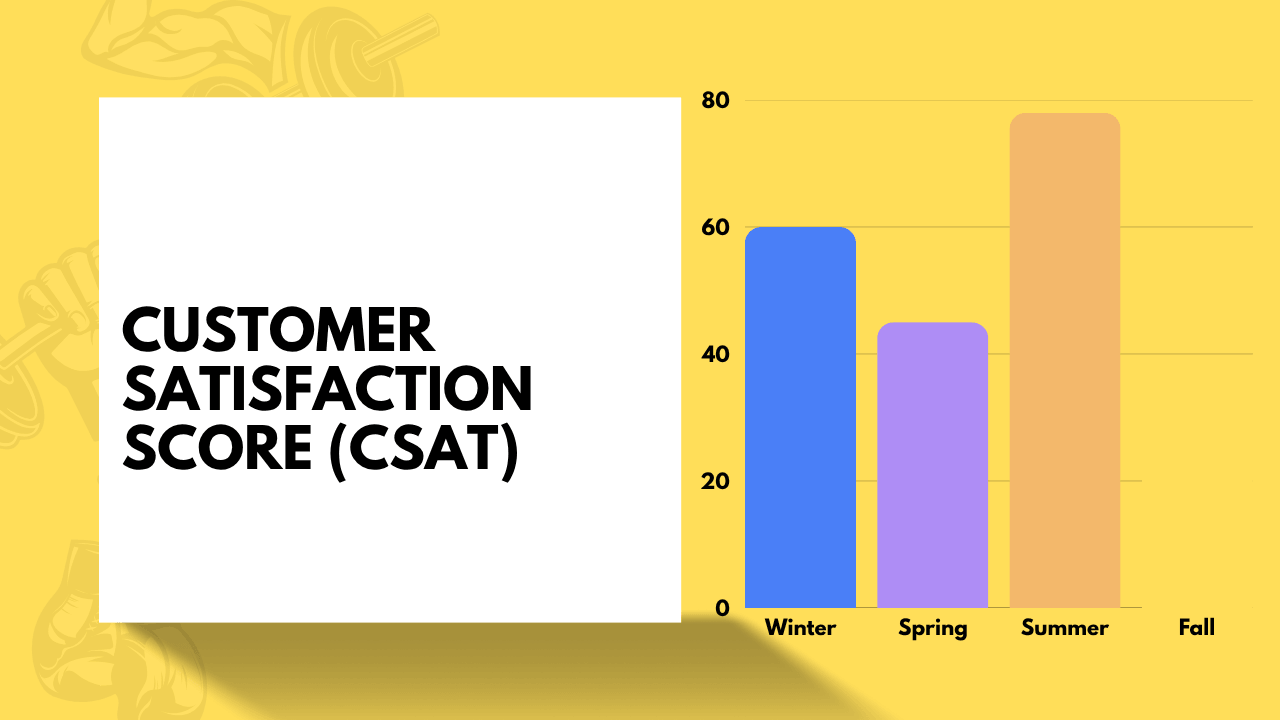
What it measures. Customer Satisfaction Score (CSAT) measures how satisfied users are with their experience after interacting with your conversational automation. It is one of the most widely used customer experience metrics because it provides direct feedback from users about the quality of the conversation, the usefulness of the responses, and the overall experience.
How to calculate it. CSAT is typically collected through a simple survey at the end of a conversation, such as asking users to rate their experience on a scale from 1 to 5.
CSAT = (Number of Positive Responses ÷ Total Responses) × 100
For example, if 200 users complete a satisfaction survey and 160 rate positively, your CSAT score is 80%.
Why it matters. A chatbot may have strong engagement and conversion metrics, but users can still be dissatisfied with the experience. CSAT helps businesses understand how users actually feel about the conversation.
Low satisfaction scores can indicate issues such as inaccurate responses, poor flow design, slow resolution times, or lack of personalization. Tracking CSAT provides valuable insights that may not be visible through operational metrics alone.
How to improve it. Improving CSAT starts with creating conversations that are helpful, accurate, and easy to navigate. Ensure your chatbot understands user intent, provides relevant responses, and offers a human handoff option when needed.
Keep flows simple, reduce unnecessary steps, and regularly review user feedback to identify recurring issues. By continuously optimizing the user experience, businesses can increase satisfaction levels and build stronger customer relationships over time.
Metrics most businesses ignore (but should track)
While metrics like conversion rate and engagement rate get most of the attention, several overlooked metrics can provide valuable insights into chatbot performance and user behavior.
Intent recognition accuracy
This metric measures how often your chatbot correctly understands what users are trying to achieve. Poor intent recognition can lead to irrelevant responses and higher drop-off rates.
Flow abandonment by step
Instead of only tracking overall drop-offs, analyze exactly where users leave the conversation. This helps identify specific questions or steps that create friction.
CTA click rate
CTA click rate measures how often users click buttons, links, or calls to action within a conversation. It helps evaluate how effectively your chatbot drives users toward the next step.
Follow-up recovery rate
This metric tracks how many users return and complete an action after receiving a follow-up message. It helps measure the effectiveness of your re-engagement strategy.
Returning user rate
Returning user rate measures the percentage of users who come back and interact with your chatbot again. A high rate often indicates that users find the experience valuable and worth revisiting.
Real example: measuring a conversational automation funnel
Understanding individual metrics is important, but seeing how they work together within a real conversational automation funnel makes them much easier to evaluate and improve.
Let’s assume a chatbot receives 1,000 users during a month.
Step 1: Conversation volume
A total of 1,000 users start a conversation with the chatbot.
Conversation Volume = 1,000
Step 2: User engagement rate
Out of those 1,000 users, 750 continue interacting after the initial message.
User Engagement Rate = (750 ÷ 1,000) × 100 = 75%
Step 3: Conversation completion rate
Out of the 750 engaged users, 500 successfully reach the end of the chatbot flow.
Conversation Completion Rate = (500 ÷ 1,000) × 100 = 50%
Step 4: Lead capture rate
Of the 500 completed conversations, 200 users provided their contact information.
Lead Capture Rate = (200 ÷ 1,000) × 100 = 20%
Step 5: Conversion rate
Out of the 200 captured leads, 50 users completed the desired business action, such as booking a demo or making a purchase.
Conversion Rate = (50 ÷ 1,000) × 100 = 5%
Step 6: Drop-off rate
A total of 500 users leave the funnel before completing the conversion.
Drop-Off Rate = (500 ÷ 1,000) × 100 = 50%
Step 7: Human handoff rate
Out of the 1,000 conversations, 120 require assistance from a human agent.
Human Handoff Rate = (120 ÷ 1,000) × 100 = 12%
At first glance, 1,000 conversations may seem successful. However, the funnel shows that only 50 users completed the final business goal. This highlights why businesses should not focus solely on conversation volume.
By analyzing each stage of the funnel, you can identify where users disengage, where leads are lost, and where optimization efforts will have the greatest impact.
Tracking metrics together provides a much clearer picture of conversational automation performance than looking at any single metric in isolation.
Common mistakes when measuring conversational automation
Even businesses that actively track conversational automation performance can make mistakes that lead to inaccurate insights and poor decision-making.
Focusing on the wrong metrics or interpreting data incorrectly can prevent you from identifying real opportunities for improvement.
Tracking too many metrics
Collecting large amounts of data may seem beneficial, but tracking too many metrics can make it difficult to focus on what truly matters. Prioritize metrics that align directly with your business goals and use them to guide optimization efforts.
Focusing only on conversation volume
High conversation volume does not automatically mean success. A chatbot can generate thousands of conversations while producing very few leads, conversions, or resolutions. Always evaluate volume alongside outcome-based metrics.
Ignoring drop-off points
Many businesses monitor overall performance but fail to identify where users leave conversations. Without analyzing drop-off points, it becomes difficult to understand which parts of the flow are creating friction or confusion.
Not defining clear goals
Metrics become far less useful when there is no clear objective behind them. Before measuring performance, define what success looks like, whether it is lead generation, customer support resolution, appointment bookings, or sales.
Measuring engagement instead of outcomes
Engagement metrics such as response rate and conversation completion rate are important, but they should not be the only focus. Ultimately, conversational automation should contribute to business outcomes such as conversions, qualified leads, customer satisfaction, and issue resolution.
Making decisions without context
A single metric rarely tells the full story. For example, a high human handoff rate may indicate poor automation or a large number of complex customer inquiries. Always analyze metrics alongside other performance indicators before drawing conclusions.
By avoiding these common mistakes, businesses can gain more accurate insights, make better optimization decisions, and maximize the value of their conversational automation strategy.
Tools for measuring conversational automation performance
Measuring conversational automation performance requires the right combination of analytics, reporting, and customer management tools. Most chatbot platforms include built-in analytics that track metrics such as conversation volume, engagement rates, completion rates, and conversions.
Businesses can also connect conversational automation systems to analytics platforms, CRM software, and business intelligence tools to gain deeper insights into user behavior and performance trends.
These integrations make it easier to monitor the entire customer journey, from the first conversation to lead generation, sales, or support resolution.
The best approach is to use tools that provide both conversation-level insights and business outcome metrics, allowing you to make data-driven decisions and continuously optimize your automation strategy.
How often should you review conversational automation metrics?
The ideal review frequency depends on your conversation volume and business goals, but most businesses should monitor key conversational automation metrics weekly and conduct a deeper performance review monthly.
High-traffic chatbots may benefit from daily monitoring to quickly identify issues such as rising drop-off rates or declining conversions. Regular reviews help you spot trends, measure the impact of changes, and identify optimization opportunities before they become larger problems.
Rather than focusing on individual metrics in isolation, evaluate performance across the entire conversational funnel to gain a clearer understanding of user behavior and business outcomes.
Frequently asked questions
What are conversational automation metrics?
Conversational automation metrics are data points used to measure the performance of chatbots, virtual assistants, and automated messaging workflows. These metrics help businesses evaluate engagement, efficiency, customer satisfaction, lead generation, and conversion performance.
What is the most important conversational automation metric?
There is no single metric that applies to every business. However, conversion rate, goal completion rate, and customer satisfaction score (CSAT) are often considered the most valuable because they directly reflect business outcomes and user experience.
What is the difference between conversation completion rate and goal completion rate?
Conversation completion rate measures how many users reach the end of a chatbot flow, while goal completion rate measures how many users achieve the intended objective, such as booking a demo, submitting a lead form, or completing a purchase.
How often should conversational automation metrics be reviewed?
Key metrics should be monitored regularly. High-traffic chatbots may require daily reviews, while weekly or monthly reviews are sufficient for most businesses. Regular analysis helps identify trends, performance issues, and optimization opportunities.
Why is drop-off rate important in conversational automation?
Drop-off rate helps identify where users abandon conversations before completing the intended flow. A high drop-off rate often indicates friction points such as confusing questions, long conversation paths, poor user experience, or unclear calls to action.
How can I improve my chatbot conversion rate?
You can improve chatbot conversion rates by simplifying conversation flows, reducing unnecessary questions, personalizing interactions, using clear calls to action, and optimizing follow-up messages. Tracking performance metrics also helps identify areas that need improvement.
Which metrics matter most for lead generation chatbots?
For lead generation chatbots, the most important metrics typically include lead capture rate, conversion rate, engagement rate, conversation completion rate, and drop-off rate. Together, these metrics provide a clear picture of how effectively the chatbot turns visitors into qualified leads.
Conclusion
Tracking conversational automation metrics is essential for understanding how well your chatbots and automated workflows are performing.
While metrics like conversation volume and engagement provide insight into user activity, metrics such as conversion rate, goal completion rate, lead capture rate, and customer satisfaction reveal the true business impact of your automation efforts.
By regularly monitoring these key indicators, businesses can identify bottlenecks, reduce drop-offs, improve user experiences, and optimize conversations for better results. The most successful conversational automation strategies are not built on assumptions but on data-driven decisions.
With the right metrics in place, you can continuously refine your workflows, increase efficiency, and turn conversational automation into a powerful driver of growth and customer engagement.